


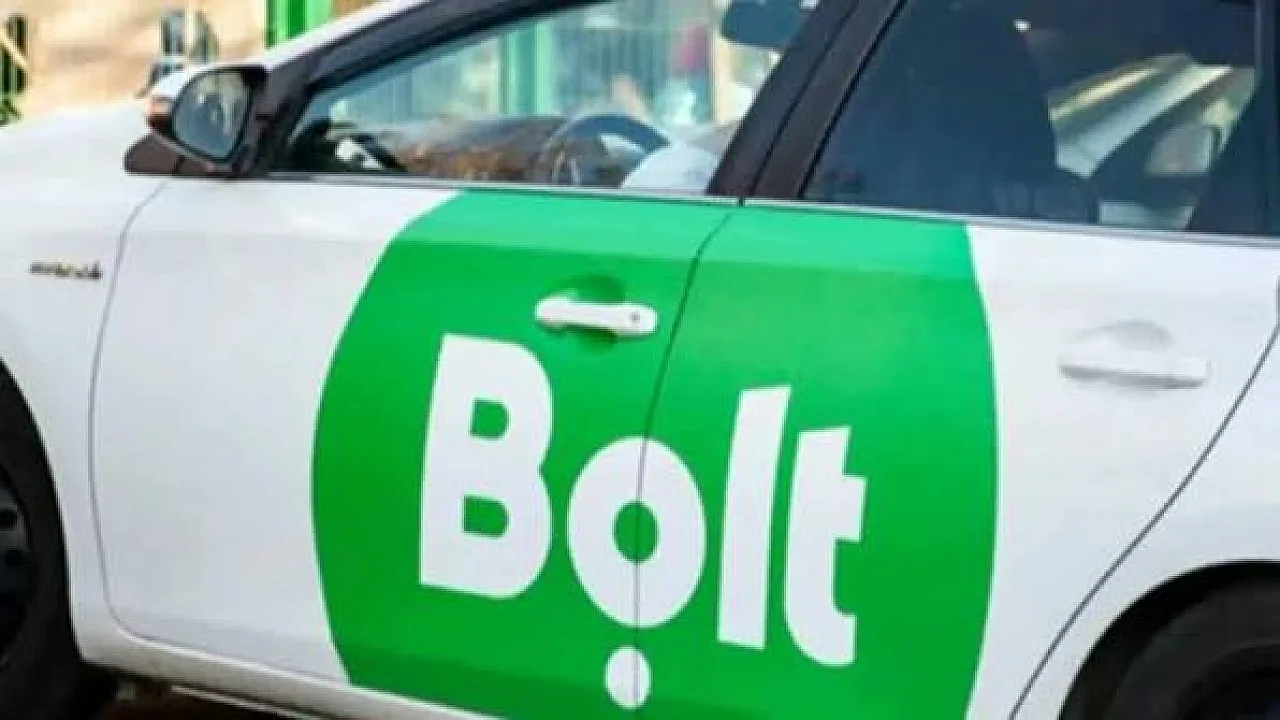
Ride-hailing platform Bolt has recorded a 92 per cent week-on-week increase in driver registrations in Nigeria following Uber’s exit from the country, as drivers move to alternative platforms to continue earning.
Bolt disclosed the increase on Wednesday, September 16, 2026, saying the surge followed Uber’s withdrawal from the Nigerian ride-hailing market earlier this month.
Uber ended its Nigerian operations on September 2, bringing to a close about 12 years of operations in the country. The company said the decision followed a review of its business priorities and investment focus in Africa.
Bolt, which has operated in Nigeria since 2016, said the number of people seeking to join its platform rose sharply after Uber’s departure.
The company, however, did not disclose the actual number of registrations recorded before or after the 92 per cent increase, meaning the size of the surge cannot be converted into a specific number of new drivers from the information currently available.
Senior General Manager of Bolt West Africa, Teddy Appa-Dankyi, said the increase reflected growing interest from drivers looking for another ride-hailing platform after Uber’s exit.
Bolt said the higher volume of applications would not lead to weaker onboarding or safety standards, adding that prospective drivers would continue to undergo its existing checks before being allowed onto the platform.
The company also said drivers previously suspended or blocked for serious misconduct, safety violations or breaches of platform rules would not automatically be allowed to return simply because demand for drivers has increased.
Uber’s departure has opened a new phase in Nigeria’s ride-hailing market, with platforms including Bolt and inDrive positioning to absorb drivers and passengers previously using Uber.
TheCable reported shortly after Uber’s exit that both Bolt and inDrive were looking to expand their presence as the market adjusted to the withdrawal of one of Nigeria’s best-known ride-hailing brands.
Uber entered Nigeria in 2014, first launching in Lagos before later expanding to Abuja. Its withdrawal came amid rising operating costs, intense competition and broader economic pressures affecting both drivers and passengers.
The exit has also raised questions about drivers who relied heavily on the platform for income, including some operating vehicles acquired through financing arrangements.
Some drivers using financed vehicles had previously depended on Uber trips to meet repayment obligations, creating uncertainty after the company stopped operations.
The Federal Competition and Consumer Protection Commission has since begun examining Uber’s exit, particularly whether customers were left with unresolved services or obligations.
Bolt’s latest registration figures suggest that some of the drivers displaced by Uber’s withdrawal may already be moving to competing platforms.
The development could strengthen Bolt’s driver network at a time when Nigeria’s ride-hailing industry is becoming more competitive, although the company’s 92 per cent figure represents registration interest rather than a confirmed 92 per cent increase in active drivers.
Bolt said it would continue investing in its platform and driver community as Nigeria’s mobility market adjusts to the changes triggered by Uber’s exit.


Comments (0)
Leave a Comment
No comments yet. Be the first to share your thoughts.