


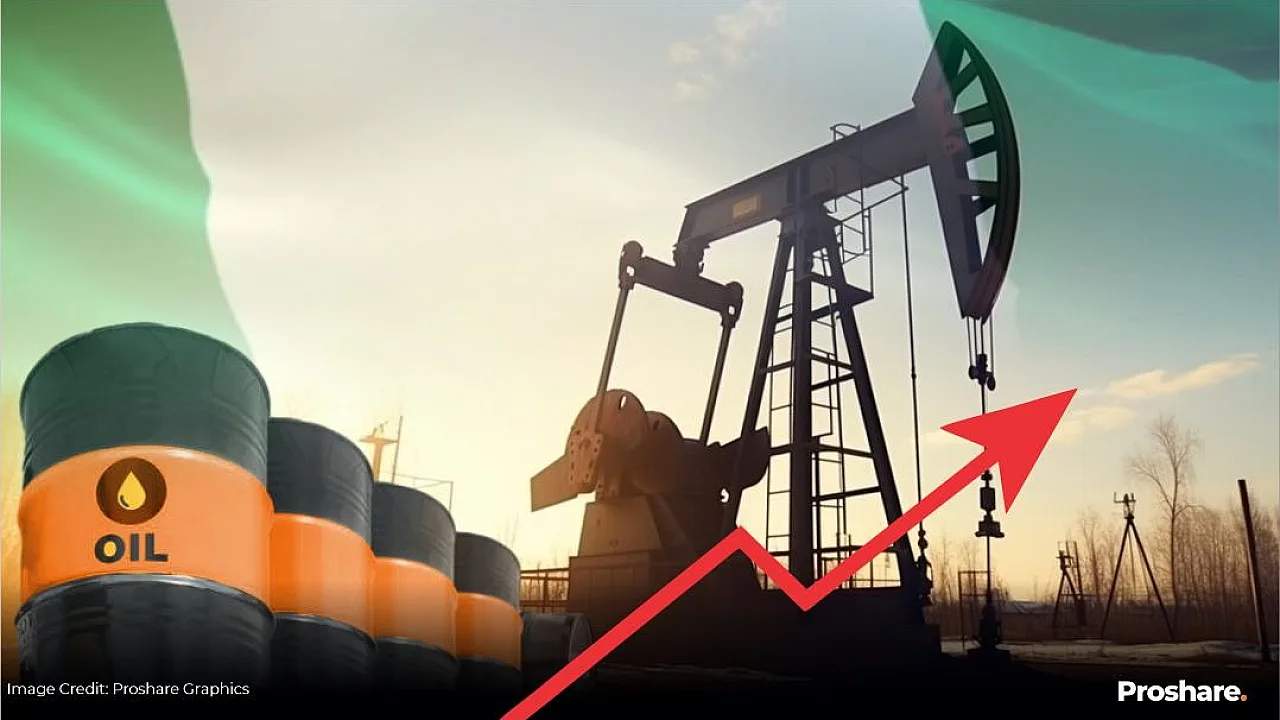
Nigeria’s Bonny Light crude has climbed to $126.32 per barrel, raising fresh concerns that motorists could face another increase in petrol prices if elevated crude costs persist.
Data attributed to the Central Bank of Nigeria showed Bonny Light rising from $123.28 per barrel on September 14 to $126.32 on September 15, extending a sharp rally that has pushed Nigeria’s premium crude grade significantly higher in less than three weeks.
Bonny Light was priced at $91.23 per barrel on August 27, meaning it has gained about $35.09, or 38.5 per cent, within the period.
The increase comes as global oil markets remain under pressure from disruptions to major supply routes in the Middle East.
Brent crude settled at $108.75 per barrel on Tuesday, after crude loadings were suspended at Saudi Arabia’s Yanbu export hub and some shipments to Europe were cancelled following disruptions to the country’s East-West pipeline.
For Nigeria, higher crude prices present two sides of the same coin.
As an oil-exporting country, stronger crude prices can improve export earnings and potentially support government revenue and foreign exchange inflows.
But crude oil is also the main raw material used to produce petrol.
That means a sustained increase in crude prices can raise refining costs and put upward pressure on the amount consumers eventually pay at filling stations.
The latest oil rally is coming after Nigerians have already absorbed several petrol price increases.
Dangote Petroleum Refinery raised its petrol gantry price from ₦1,265 to ₦1,350 per litre, effective September 12. The increase was the refinery’s fourth upward adjustment since August 21.
Within that period, its gantry price moved from ₦1,165 to ₦1,350 per litre, an increase of ₦185.
Filling stations subsequently adjusted their pump prices.
MRS sold petrol for ₦1,395 per litre in parts of Lagos, while Mobil sold at about ₦1,385. NNPC retail outlets in Ibafo were reported at ₦1,380 per litre, while prices varied across other stations.
By Tuesday, petrol was reportedly selling between roughly ₦1,400 and ₦1,500 per litre in parts of the country, with transport operators already adjusting fares to reflect higher costs.
Another increase in refinery or depot prices could therefore deepen pressure on households already dealing with higher transport, food and logistics costs.
Bonny Light often trades at a premium to Brent because of its quality.
It is classified as a light, sweet crude, meaning it contains relatively low levels of sulphur and is easier for many refineries to process into valuable petroleum products.
At $126.32, Bonny Light was trading well above the Brent benchmark on Tuesday.
The gap does not automatically mean every Nigerian refinery will pay exactly $126.32 for every barrel it processes because crude purchasing arrangements, grades, freight costs and supply contracts differ.
But sustained high crude prices generally increase cost pressure across the downstream petroleum market.
The Dangote Refinery has already linked previous petrol price changes to movements in international crude and energy markets.
Global supply concerns have intensified as conflict and attacks disrupt major oil infrastructure and shipping routes.
Reuters reported that problems affecting Saudi Arabia’s East-West pipeline could threaten a significant portion of global oil supply if prolonged, while traffic through the Strait of Hormuz has also fallen sharply amid continuing regional conflict.
For Nigerian motorists, attention will now turn to whether Bonny Light and international oil benchmarks remain elevated over the coming days.
If crude prices continue rising, refiners and petroleum marketers may face greater pressure to adjust domestic prices again.
If the global market eases, however, some of that pressure could reduce.
For now, the latest jump to $126.32 per barrel means the possibility of another petrol price increase cannot be ruled out.


Comments (0)
Leave a Comment
No comments yet. Be the first to share your thoughts.