


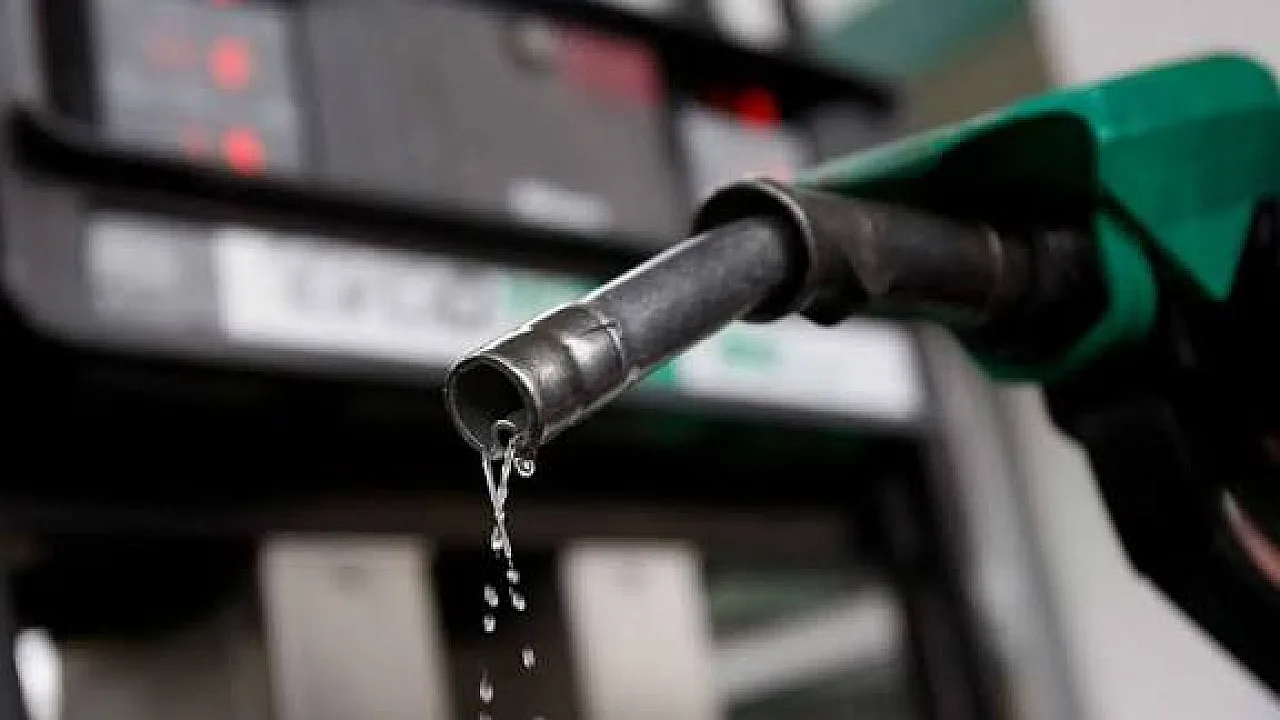
Petrol prices have risen to around ₦1,500 per litre in some parts of Nigeria, creating fresh pressure on motorists, transport operators, businesses and households already dealing with high living costs.
The latest increase has pushed fuel prices higher across several states, with reports showing petrol selling for about ₦1,430 per litre in major cities and reaching between ₦1,460 and ₦1,500 per litre in some northern locations.
The rise has also affected transportation costs, with commercial operators adjusting fares as they respond to increased fuel expenses.
In some cities, transport operators have increased charges for commuters as the cost of running vehicles continues to climb.
The latest pressure comes amid rising international crude oil prices, which have affected fuel markets globally.
Reuters reported that petrol prices in Nigeria have climbed as global oil prices increased, with the situation exposing how domestic fuel prices remain connected to international market movements despite increased local refining capacity.
The report also noted that Dangote Petroleum Refinery adjusted its wholesale petrol price to reflect higher crude costs.
The development has renewed concerns among labour groups and consumers over the impact of fuel prices on daily expenses.
The Nigeria Labour Congress (NLC) has called on the Federal Government to introduce measures to reduce the pressure on workers and households.
The union also urged authorities to increase crude oil supply arrangements for local refineries as part of efforts to stabilise domestic fuel costs.
For many Nigerians, the concern goes beyond the price displayed at filling stations.
Higher petrol prices often affect transportation, food distribution, small businesses and the cost of essential goods because many businesses rely on fuel for movement and power generation.
Transport operators have warned that continued increases could force further adjustments in fares, while businesses dependent on logistics may face higher operating costs.
The development comes as Nigeria continues to navigate the effects of petrol subsidy removal and market-based fuel pricing.
Supporters of the policy have argued that it allows market forces to determine prices and encourages investment in refining capacity, while critics have raised concerns about the immediate impact on households.
With petrol prices now approaching ₦1,500 in some locations, attention is turning to whether additional measures will be introduced to reduce the pressure on consumers.
For ordinary Nigerians, the key question remains how quickly fuel price increases will translate into higher transportation costs and prices of everyday goods.



Comments (0)
Leave a Comment
No comments yet. Be the first to share your thoughts.