


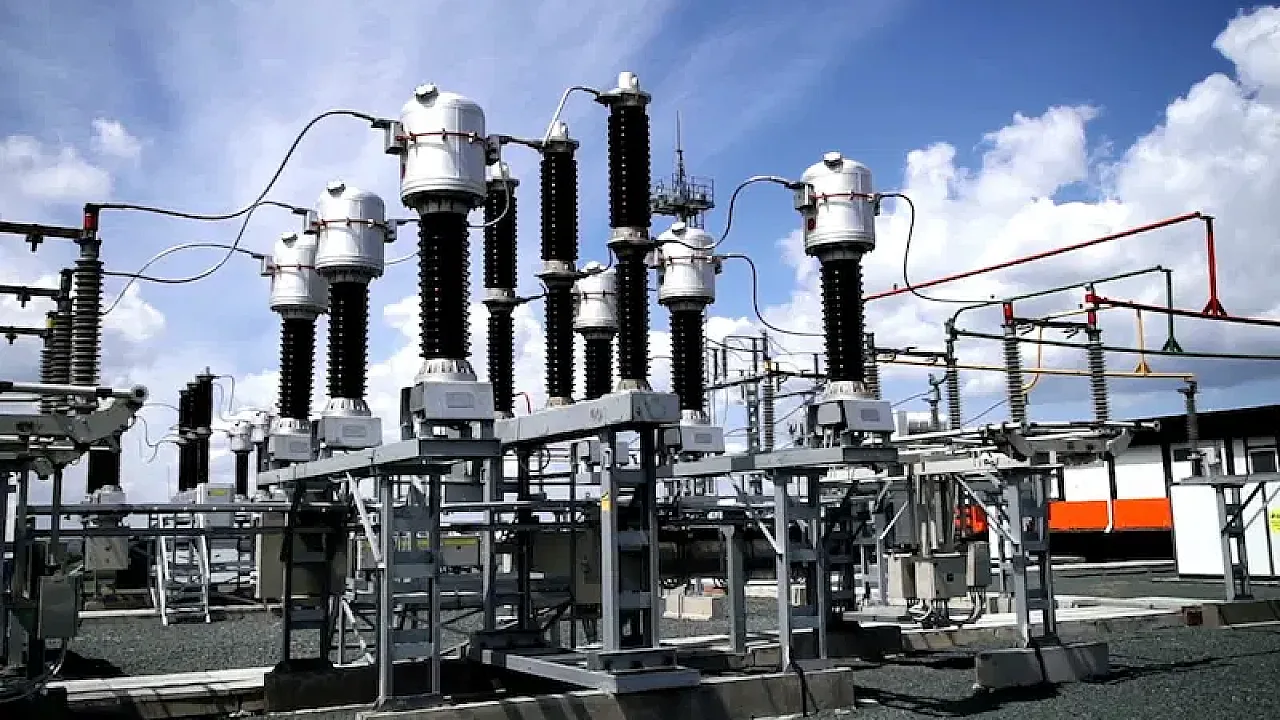
Nigeria has secured a major victory in its long-running international arbitration dispute with Sunrise Power and Transmission Company Limited over the Mambilla hydropower project in Taraba State.
An International Chamber of Commerce tribunal in Paris ruled in favour of the Federal Republic of Nigeria and rejected claims brought by Sunrise in connection with agreements surrounding the power project.
The dispute involved substantial financial claims.
According to the Federal Government's account of the ruling, Sunrise had demanded about $680 million as a settlement sum and interest, while a related arbitration involved claims exceeding $2.7 billion in compensation and interest.
TheCable separately reported that the tribunal ruled against a $2.35 billion award sought by Sunrise in the arbitration concluded on Thursday.
The tribunal also rejected Sunrise's claim seeking $400 million under a 2020 settlement arrangement and ordered the company and its promoter to refund approximately $11.8 million in Nigeria's legal costs, according to reports on the award.
President Bola Tinubu welcomed the decision, describing the ruling as a significant victory for Nigeria and saying the government would continue to defend the country against claims it considers unjustified.
Tinubu also credited the Federal Ministry of Justice, Attorney-General of the Federation Lateef Fagbemi, Nigeria's legal team and witnesses who participated in the proceedings.
Former President Olusegun Obasanjo and the late former President Muhammadu Buhari were among those cited by the Presidency as having provided evidence connected to the dispute.
The legal battle dates back to agreements surrounding the proposed Mambilla hydropower project, which has suffered repeated delays despite being regarded as one of Nigeria's most ambitious electricity infrastructure projects.
Tinubu said the latest ruling removes what he described as the single biggest legal hurdle that had prevented the project from moving forward.
The government has not, however, announced an immediate construction timetable arising from the arbitration victory.
The Mambilla project has undergone several changes in proposed capacity and financing structure over the years, meaning the end of the arbitration does not by itself resolve the project's remaining funding, engineering and implementation challenges.
The ruling nevertheless significantly reduces the legal uncertainty surrounding one of Nigeria's longest-running power-sector disputes.


Comments (0)
Leave a Comment
No comments yet. Be the first to share your thoughts.