


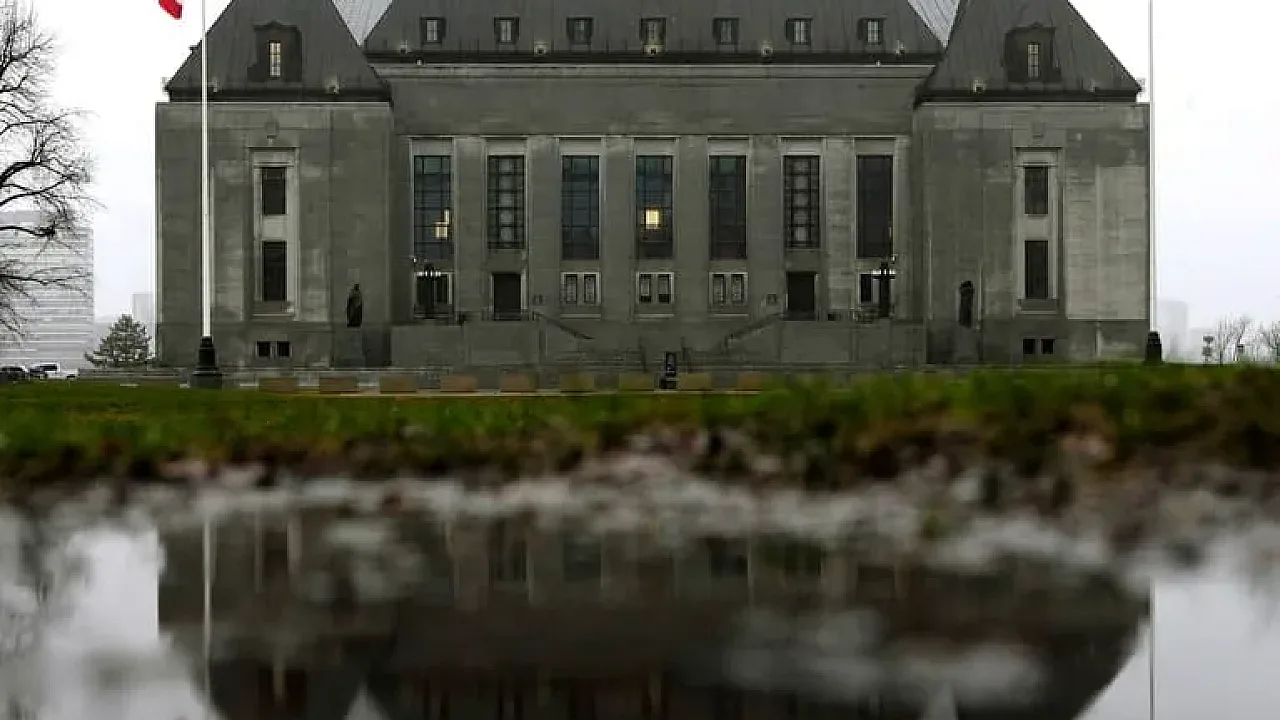
Canada's Supreme Court on Friday largely upheld Quebec's ban on religious symbols for public servants, but ruled that provincial lawmakers may wear religious symbols in the National Assembly. The ruling leaves much of the law in place.
Quebec's government passed the law, known as Bill 21, in 2019, arguing it was needed to protect the province's secular society. Under the law, people providing public services, such as teachers and police officers, cannot wear overt religious symbols, including hijabs, turbans and yarmulkes.
Chief Justice Richard Wagner said the law "is rooted in Quebec's legitimate and historical commitment to ensuring the (secularism) of the state in a free and democratic society."
Mathieu Levesque, interim leader of the Coalition Avenir Quebec (CAQ) party that passed the bill, called the ruling a "victory" for the French-speaking province. Critics, including Stephen Brown, CEO of the National Council of Canadian Muslims, argue the law unfairly targets Muslim women and weakens fundamental rights.


Comments (0)
Leave a Comment
No comments yet. Be the first to share your thoughts.