


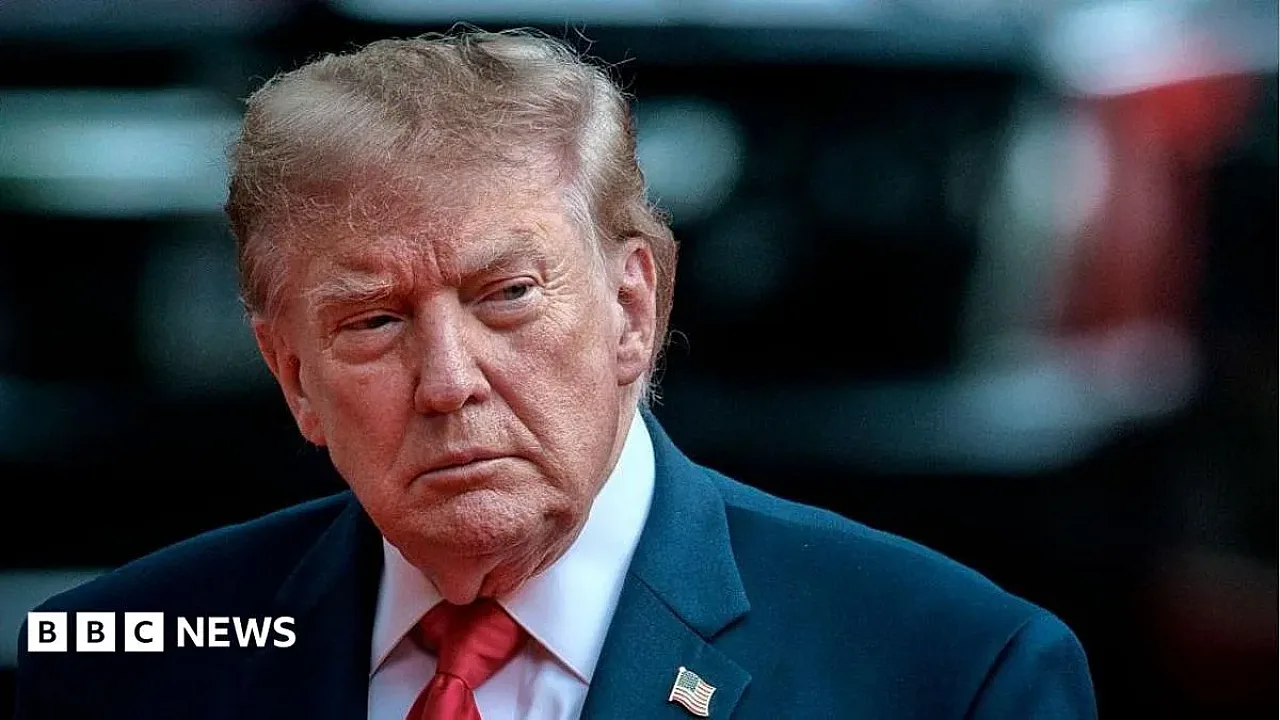
The United States has announced a fresh set of tariffs on imports from many of its biggest trading partners, including China and the European Union. The taxes will also apply to 12 other jurisdictions, among them Japan, India, Korea and Vietnam. President Donald Trump is pressing ahead with his signature trade policy.
China faces the highest proposed rate, up to 40%, while Vietnam faces up to 35%. Other countries face either 20% or 25%. Some rates will be effectively reduced by caps on tariffs that Trump has agreed to. The new duties are not expected to take effect until next year.
The move follows a White House investigation into the trade practices of other countries, launched in March after the US Supreme Court ruled that Trump's earlier Liberation Day tariffs were illegal. US Trade Representative Jamieson Greer said the tariffs would "level the playing field for American workers". He accused many trading partners of targeting manufacturing and suppressing wages.
Economists have warned that tariffs can fuel inflation and raise prices for consumers if businesses pass on higher costs, and that they can also dampen global trade. Trump has argued that tariffs will boost US manufacturing and create jobs. He has continued with the policy despite a poor showing for his Republican party in the midterm elections.

Comments (0)
Leave a Comment
No comments yet. Be the first to share your thoughts.