


Nigerian farmers, researchers, scientists, and civil society organizations have made a joint appeal to the Federal Government to make public the Memorandum of Understanding signed with Brazilian meat giant JBS. Stakeholders warned that secrecy surrounding the agreement could plunge the country into another resource crisis.
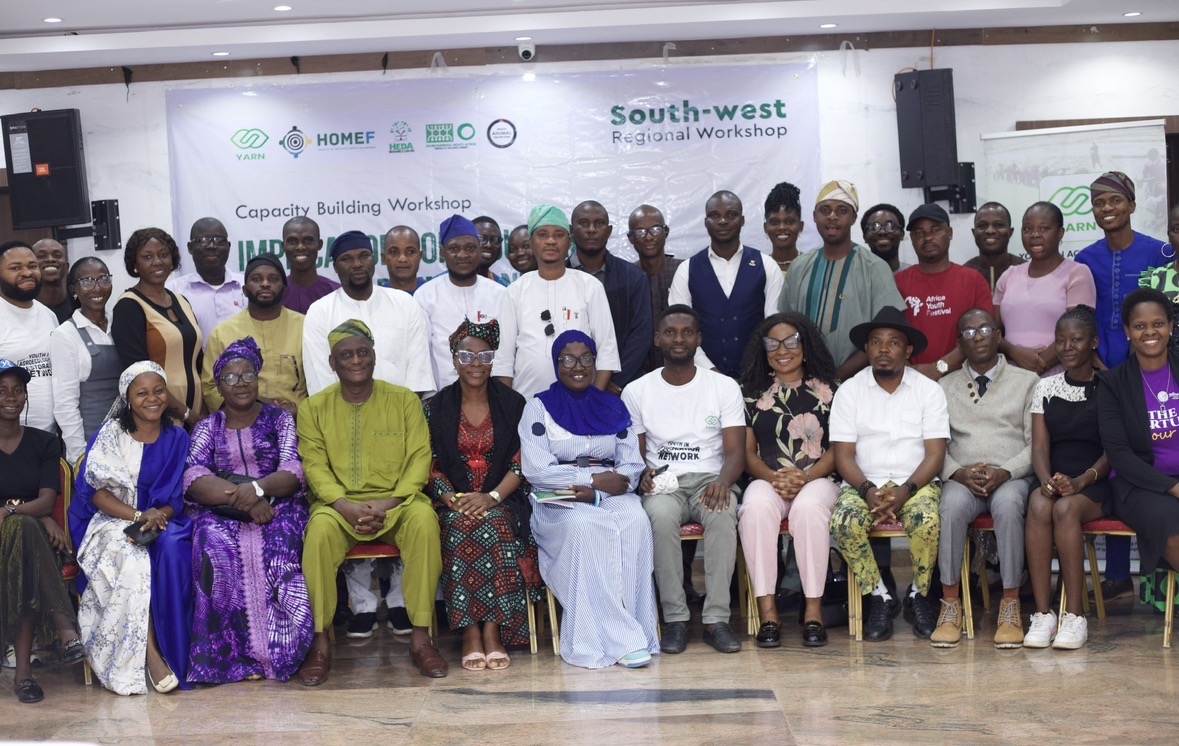
The coalition voiced these concerns on Wednesday in Abeokuta, the Ogun State capital, during a South-West regional workshop themed “Sustainable Alternatives to Industrial Animal Farming: Pathways to a Resilient Food System in Nigeria.” While welcoming foreign investment, the groups expressed apprehension regarding its potential impact on public health, the environment, the social economy, and the livelihoods of smallholder farmers.
In 2024, the federal government signed a letter of intent with JBS S.A. for a $2.5 billion investment in the livestock sector. President Bola Tinubu witnessed the signing ceremony on November 21 in Rio de Janeiro, Brazil. The project involves constructing six new meat factories to develop Nigeria's meat processing industry.
Speaking at the event, Mr. Oluwaseyi Olawuyi, Director of Consultancy for the Youths in Agroecology and Restoration Network, insisted that the deal must undergo comprehensive environmental and social impact assessments. Olawuyi stated that without access to the document, it remains impossible to verify if the investment adequately protects public health, local ecosystems, and smallholder producers.
Olawuyi also highlighted transparency issues, revealing that repeated requests to view the document yielded conflicting responses from government officials. He noted that federal authorities claimed the agreement was domiciled with state governments, while state officials in Ogun, Niger, Cross River, and elsewhere maintained it was held at the federal level.
In a communique issued at the end of the workshop, participants demanded the public disclosure of the JBS S.A. MoU by both federal and state governments. They also called for strict enforcement of environmental, social, labor, and public health standards, alongside prioritizing public investment in agroecological and climate-resilient food systems rather than industrial animal farming.
Comments (0)
Leave a Comment
No comments yet. Be the first to share your thoughts.