


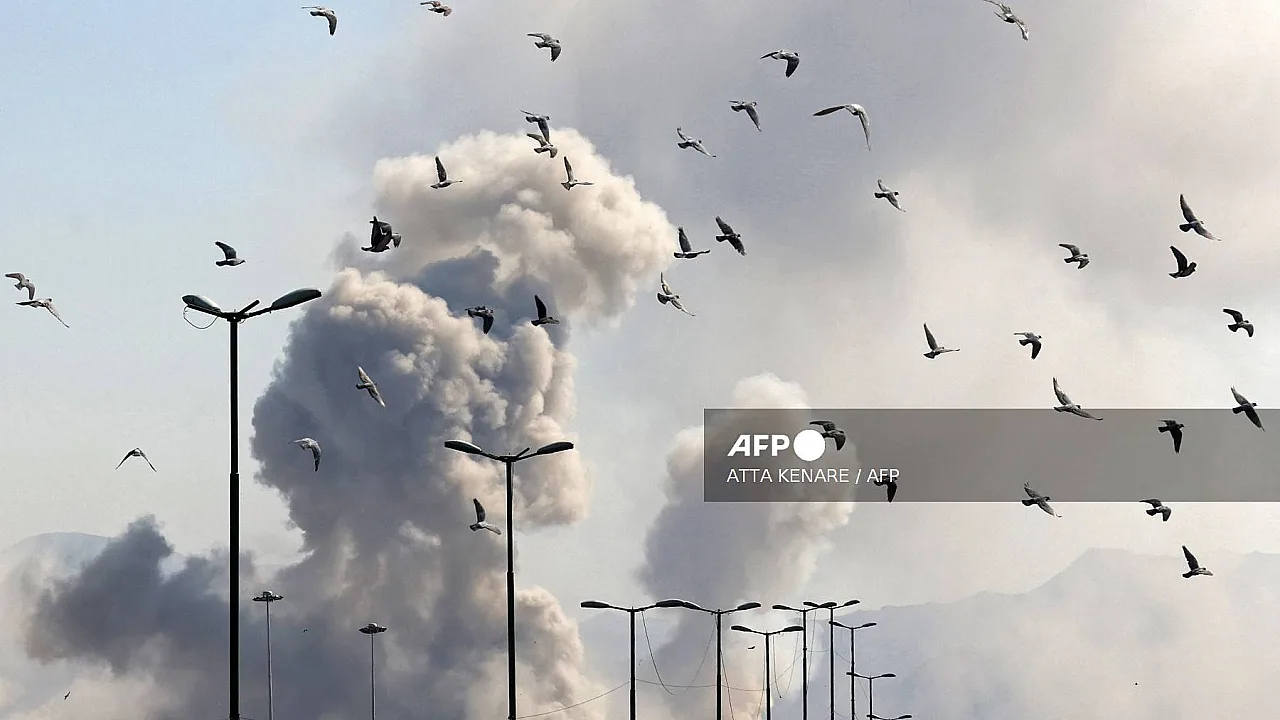
Iraq has estimated that it has suffered approximately $60 billion in economic losses as the ongoing Middle East conflict disrupts its oil exports, reduces government revenue and intensifies pressure on the country's economy.
Iraqi Foreign Minister Fuad Hussein disclosed the figure during a meeting with his Italian counterpart, Antonio Tajani, in Rome, where both officials discussed bilateral relations, regional security and the economic consequences of the conflict.
The disruption has heightened concerns over Iraq's financial stability, given the country's heavy dependence on crude oil exports to fund government expenditure, public services and civil service salaries.
A major factor behind the losses is the disruption to shipping through the Strait of Hormuz, a strategic waterway through which a significant proportion of the world's oil supplies passes.
Iraq relies heavily on the route to transport crude oil from its southern export terminals to international markets. Restrictions on shipping have therefore significantly affected the country's ability to maintain normal export levels and generate foreign exchange.
The reduction in oil revenue has placed additional pressure on government finances, raising concerns about the funding of public projects, payment of workers' salaries and the country's capacity to meet other financial obligations.
In response to the crisis, Iraqi authorities have explored alternative export routes, including the Iraq–Türkiye pipeline, which transports crude oil to the Mediterranean coast. However, alternative infrastructure may not be sufficient to immediately replace the volumes traditionally shipped through the Gulf.
The conflict has also raised wider concerns about global energy security, inflation and the economic outlook for countries dependent on oil exports.
Hussein warned that the consequences of the conflict extend beyond Iraq, with disruptions to energy supplies threatening economic stability across the Middle East and other parts of the world.
The scale of Iraq's losses highlights the vulnerability of oil-dependent economies to geopolitical tensions and disruptions along critical maritime routes.
Iraq's economic recovery will depend significantly on the restoration of reliable oil exports, improved regional security and the availability of alternative transportation routes.
However, the Iraqi authorities have yet to provide a detailed public breakdown of the estimated $60 billion loss, including the precise period covered and the components used in calculating the figure.

Comments (0)
Leave a Comment
No comments yet. Be the first to share your thoughts.