


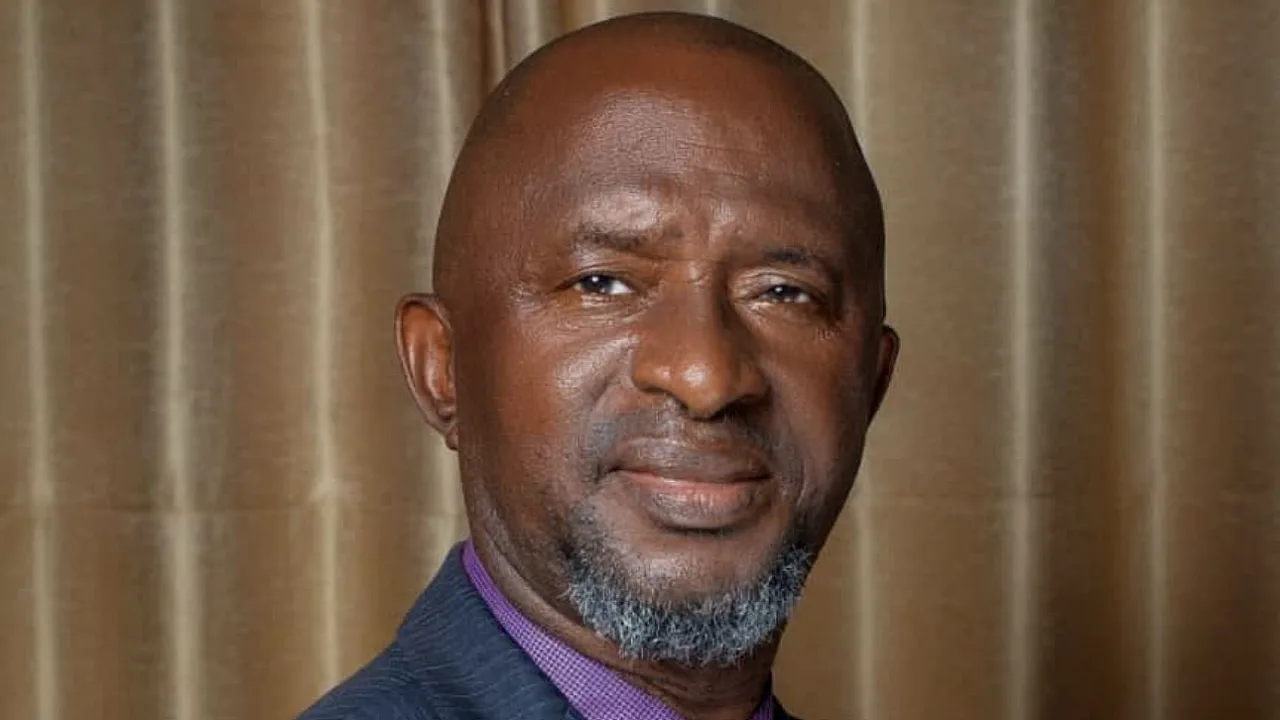
Igbajo has remained a constant in the life of Mr Ezekiel Olayiwola Onipede, popularly known as Lai Onipede. It is the town where he grew up, received his early education and later devoted years to community service. Today, he serves as Registrar of Igbajo Polytechnic, continuing a journey that has kept education and his hometown close to his heart.
Ìgbájọ, ilé wa.
For Onipede, those words speak to more than a place of birth. His connection to the ancient Osun town runs through his childhood, his professional life and the responsibilities he has accepted within the community.
He attended Baptist Primary School in Igbajo before proceeding to Kiriji Memorial College, where he completed his secondary education in 1977.
He later studied History and Yoruba at Adeyemi College of Education, graduating in 1984, and went on to build a career in teaching. His professional journey took him to schools in different communities, including Arola Community Primary School in Ede and Ilobu Grammar School.
He also obtained a Bachelor of Education degree in Yoruba from Ekiti State University.
In a 2019 interview with community journalist Bayo Fajinmi, Onipede spoke about his years as a teacher and the importance of understanding the individual needs of students. To him, teaching was not merely a matter of standing before a class and delivering lessons. It required patience, commitment and an interest in the progress of those being taught.
That belief in education has remained an important part of his story. But so has his attachment to Igbajo.
Onipede recalled growing up under the care of his grandmother, Mrs Ola Adesuyi, and learning from his family the importance of discipline, responsibility and protecting the family’s good name. He also spoke about the community festivals and traditions that formed part of his childhood.
Those early experiences helped shape a lasting interest in the affairs of his hometown.
In 2005, he accepted an invitation to serve as Secretary of the Igbajo Development Association. His account of that period shows that the work demanded time, personal commitment and, on some occasions, sacrifices at a difficult stage of his life.
He went on to serve another term as secretary and also held a secretarial position on the association’s Board of Trustees.

Ìfẹ́ ilé kì í ṣe ti ẹnu nìkan.
Love for one’s hometown is not expressed through words alone. It can also be found in the willingness to attend meetings, accept responsibilities and contribute to work that may bring little personal recognition.
Onipede’s involvement in community affairs has extended to the cultural life of ancient Igbajo. In a March 2026 discussion published by Igbajo Polytechnic, he reflected on the town’s traditions, including the Egungun Festival, and the importance of maintaining the ties that connect younger generations to their heritage.
For a town with a history as rich as Igbajo’s, preserving that connection matters. Its story lives not only in historical accounts but also in the people who continue to take an interest in its schools, traditions and development.
Education has been another expression of that collective effort.
Igbajo Polytechnic was established through the contributions of sons and daughters of the town who wanted to expand opportunities for higher education. Onipede wrote about the institution and the value of community participation in education in a 2024 article published in THISDAY.
He now serves as the institution’s Registrar.
There is a quiet significance in that part of his journey. The boy who once attended school in Igbajo went on to study and teach elsewhere, then took up an administrative role in a tertiary institution in his hometown.
His career has not followed a single straight road. It has passed through classrooms, further studies, community responsibilities and educational administration. Through those different stages, Igbajo has remained part of the story.
For students entering Igbajo Polytechnic today, the Registrar may first be a name attached to an office or an official document. Behind that name, however, is the experience of someone who once sat in classrooms in the same town, wondering what the future might hold.
Many of those students will eventually leave Igbajo to work, study further or build lives elsewhere. Some may return. Others may contribute to their communities from a distance.
Onipede’s journey offers one example of how a person’s education and professional experience can remain connected to the place where it all began.
Bàbá Lai Onipede, ẹ kú iṣẹ́ takuntakun.
From Kiriji Memorial College to Igbajo Polytechnic, his story is one of teaching, responsibility and a continuing relationship with ancient Igbajo.
And as another generation begins its own journey through the institution, it is a story worth telling.


Comments (0)
Leave a Comment
No comments yet. Be the first to share your thoughts.