


Nigeria has intensified demands for answers from South African authorities following the deaths of two Nigerian citizens in separate incidents, as diplomatic pressure grows over the safety of Nigerians living in the country.
The Federal Government identified the deceased as Bishop Taiwo Michael Fakunle and James Uchechukwu Nwankwo, who died in separate incidents on September 4 and September 5, 2026, respectively.
Fakunle, a 58-year-old cleric, was killed at his residence in Kensington, Johannesburg, while Nwankwo died in Somerset, Cape Town, under circumstances the Nigerian Government says involved South African police officers.
The Ministry of Foreign Affairs has called for thorough, transparent and speedy investigations into both deaths and urged South African authorities to ensure that anyone found responsible is prosecuted.
The Nigerian Government said Nwankwo died following what it described as harsh interrogation methods allegedly used by officers of the South African Police Service.
That allegation has not yet been established through an independent investigation or court process.
In Fakunle's case, Nigerian community representatives said unidentified assailants entered his residence and shot him.
The Nigerian Citizens Association South Africa said a murder case had been opened at the Jeppe Police Station and called on South African authorities to prevent the investigation from going cold.
No suspect or motive has been publicly established in connection with Fakunle's killing.
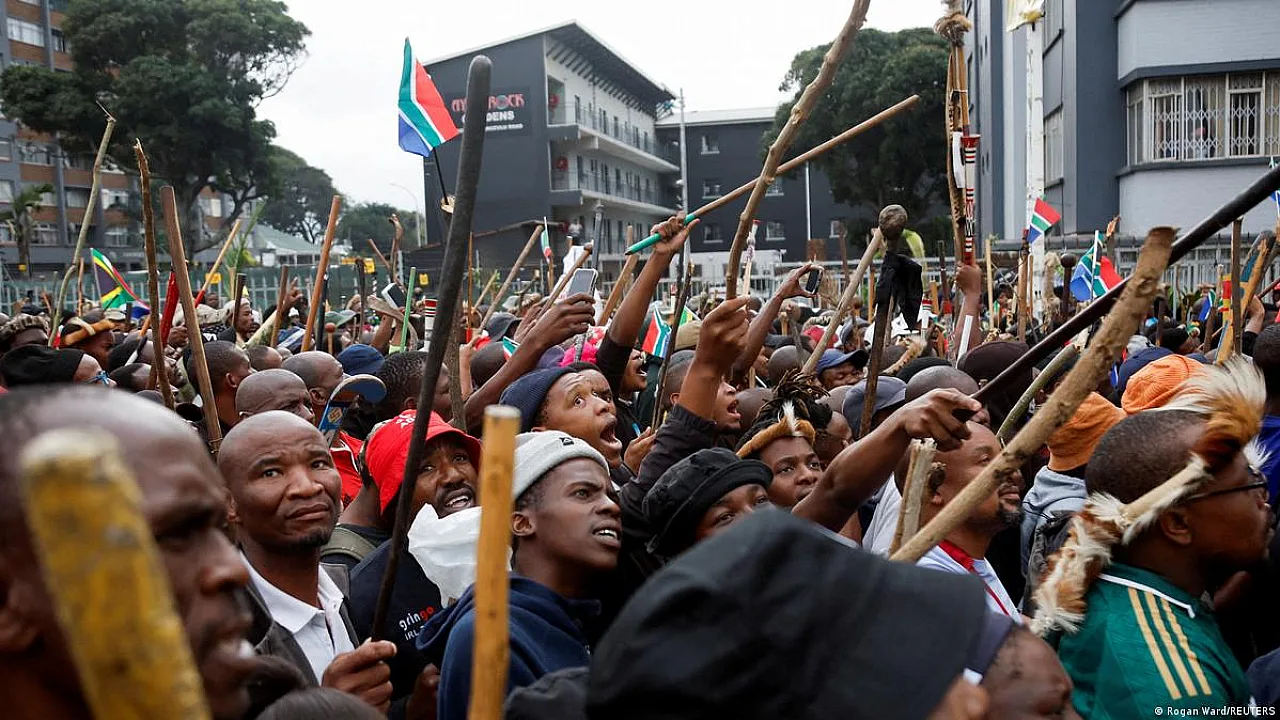
The latest deaths come amid heightened diplomatic tensions between Nigeria and South Africa over recurring attacks and anti-migrant hostility affecting Nigerians and other African nationals.
Nigeria's National Assembly has already suspended official parliamentary visits to South Africa and directed lawmakers, committees, officials and staff to stay away from legislative programmes organised or hosted by South African authorities until further notice.
The directive does not cover normal government-to-government diplomatic engagements.
The National Assembly said its action reflected growing concern over the safety, dignity and welfare of Nigerians living and conducting legitimate businesses in South Africa.
Nigerian officials have repeatedly raised concerns about killings, attacks, displacement and destruction of businesses belonging to Nigerians amid episodes of anti-foreigner hostility.
Nigeria's Minister of State for Foreign Affairs has previously said at least 98 Nigerians have died in mob attacks, hate-related incidents and alleged extrajudicial killings in South Africa since 2022.
The figure represents Nigeria's official account and has become part of the government's diplomatic case for stronger protection of its citizens.
The crisis has also led to the voluntary evacuation of Nigerians from South Africa.
According to Nigerian officials, 1,695 citizens have returned voluntarily this year amid the deteriorating security situation and anti-migrant tensions.
The latest deaths have renewed scrutiny of earlier diplomatic engagements between Abuja and Pretoria.
South African Minister of International Relations and Cooperation Ronald Lamola travelled to Abuja in July as part of efforts to ease tensions between both countries.
During discussions with Nigerian officials, Lamola said South Africa condemned xenophobia and other forms of discrimination, while also defending the country's right to enforce its immigration laws.
Nigeria, however, has continued to insist that legitimate immigration enforcement must be separated from mob violence, discrimination and unlawful attacks against foreign nationals.
The Federal Government has also argued that Nigerians living legally in South Africa deserve the same protection accorded to South African citizens and businesses operating in Nigeria.
The case involving Nwankwo is likely to attract particular attention because the allegation directly concerns members of the South African police.
Nigeria has demanded that the circumstances surrounding his death be independently and transparently established rather than relying solely on internal explanations.
South African police had not publicly responded to requests for comment reported by international media following Nigeria's latest allegations.
The Nigerian Government has meanwhile urged its citizens in South Africa to remain calm, law-abiding and security-conscious while diplomatic efforts continue.
It has also cautioned Nigerians at home against retaliatory action against South African citizens or businesses.
The latest developments add pressure on Pretoria to demonstrate that allegations involving violence against Nigerian nationals will be investigated credibly and that those responsible, where evidence establishes criminal conduct, will face justice.
For Nigeria, the issue has increasingly moved beyond isolated criminal incidents to a broader diplomatic question over the protection of its citizens abroad.
Attention will now turn to whether South African authorities provide detailed responses to the two cases, what the investigations establish and whether the latest diplomatic pressure produces measurable action.

Comments (0)
Leave a Comment
No comments yet. Be the first to share your thoughts.