


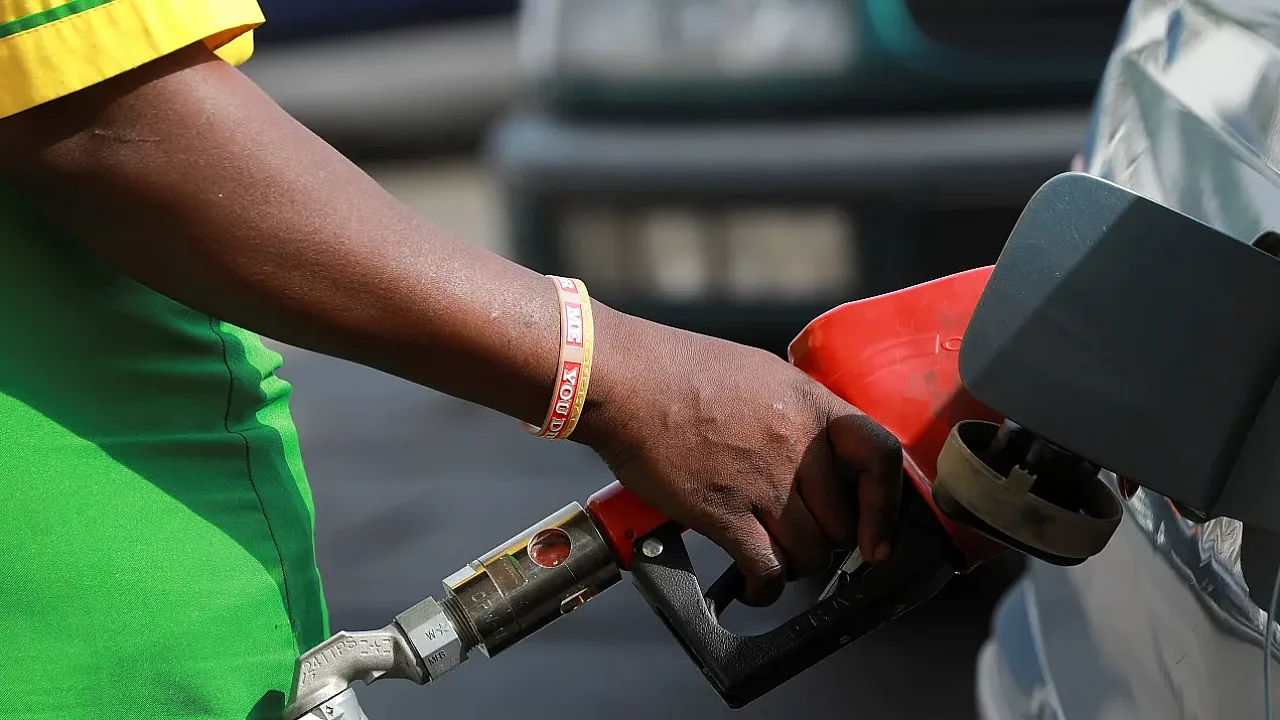
Nigeria’s headline inflation fell to 15.39 per cent in August, yet on Thursday motorists in several states were confronting petrol prices of about ₦1,500 per litre.
At first glance, those two realities appear contradictory.
They are not.
The National Bureau of Statistics says inflation eased slightly from 15.43 per cent in July to 15.39 per cent in August. But the Consumer Price Index still rose from 145.3 to 146.3 points during the month. In simple terms, prices were still increasing, just more slowly.
That distinction matters because Nigerians do not experience inflation as a percentage on a statistical report. They experience it at the market, at the bus stop, in electricity bills and at filling stations.
Verita Post reported on Thursday that petrol was selling for around ₦1,500 per litre in several states, including Kano, Yobe, Sokoto, Borno, Taraba and Zamfara, although prices differed by location and marketer.
So when Nigerians hear that inflation is falling and then discover that filling their fuel tank costs considerably more, frustration is understandable.
But falling inflation does not mean that yesterday’s high prices have disappeared.
It means the general pace of price increases has slowed.
A product that rose from ₦1,000 to ₦1,500 does not automatically return to ₦1,000 because inflation falls. It may simply rise more slowly from its already elevated level.
That is where the gap between economic improvement on paper and relief in household budgets becomes obvious.
Petrol does not affect motorists alone
The latest fuel increase also matters because petrol rarely remains a filling-station problem.
Transport operators pay more.
Businesses that depend on generators pay more.
Deliveries become more expensive.
Traders transporting goods may pass additional costs to consumers.
The August inflation figures already showed transport contributing 1.64 percentage points to headline inflation, while housing, water, electricity, gas and other fuels contributed another 1.30 points.
The Nigeria Labour Congress has consequently called for wage awards and other measures to cushion workers from rising fuel costs. Those proposals can be debated, but the underlying concern is straightforward: prices can change much faster than salaries do.
That is particularly difficult for households whose incomes have not risen at anything close to the pace of essential expenses.
The real test is purchasing power
There is still value in inflation slowing.
An economy in which prices rise more slowly is generally easier for households and businesses to plan around than one experiencing continuously accelerating inflation.
August’s 15.39 per cent rate is also considerably lower than the 23.14 per cent recorded in August 2025. Food inflation has moderated too.
But Nigerians are unlikely to judge economic improvement by inflation statistics alone.
They will judge it by what their salaries can buy.
Can transport take a smaller share of income?
Can families buy the same quantity of food without cutting something else?
Can small businesses absorb energy costs without constantly increasing prices?
Those questions ultimately determine whether falling inflation begins to feel like economic relief.
Nigeria can therefore have lower inflation and still have a painful cost of living.
Both things can be true at once.
The challenge now is making sure that the improvement visible in economic statistics eventually becomes visible in household purchasing power.
Until that happens, telling Nigerians that inflation is falling while petrol approaches ₦1,500 will continue to sound less reassuring than the figures suggest.



Comments (0)
Leave a Comment
No comments yet. Be the first to share your thoughts.